
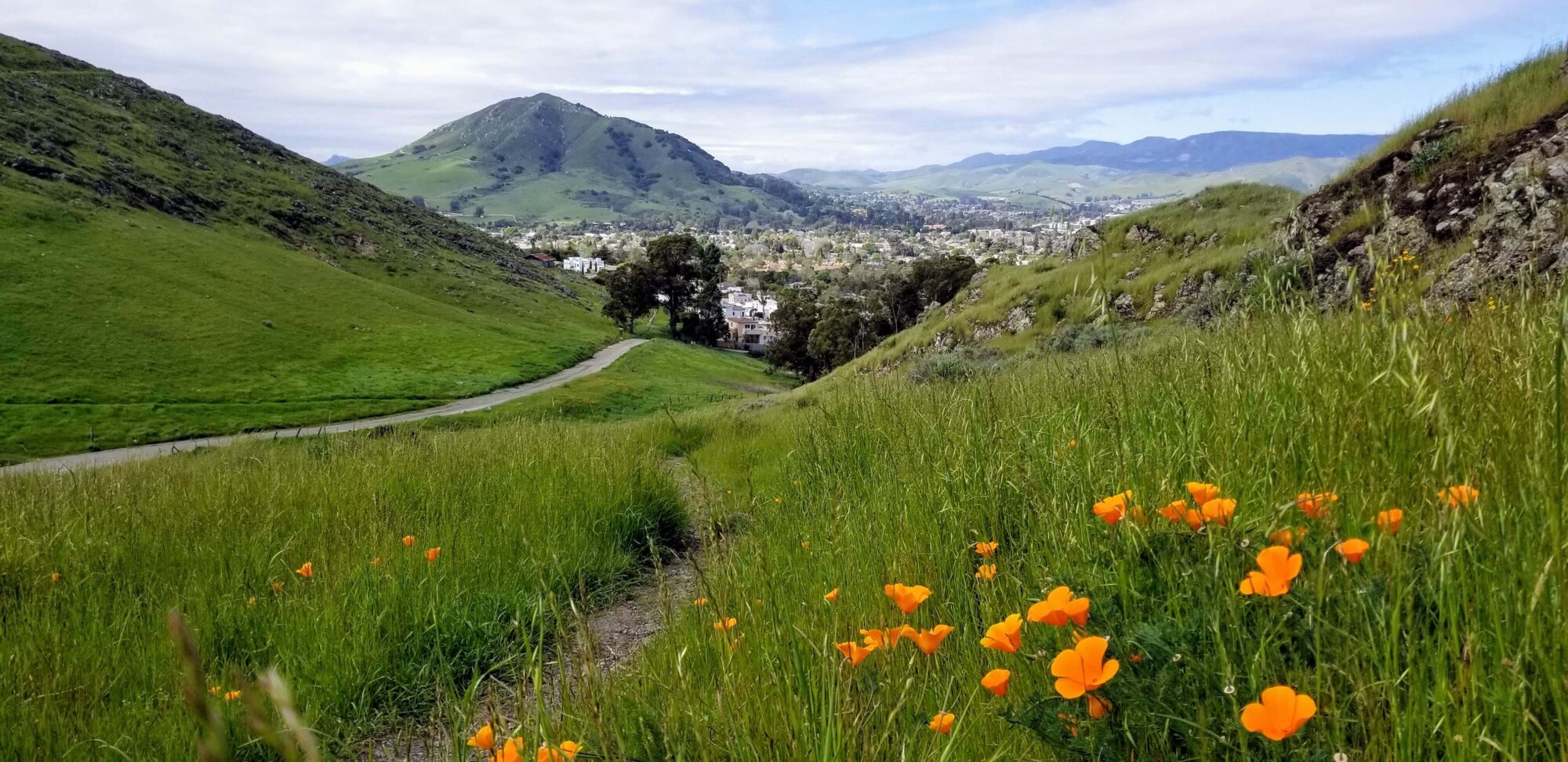
Find Places to Stay in San Luis Obispo
Places to StaySan Luis Obispo Places to Stay That Fit Your Vibe
The city of San Luis Obispo is home to rolling hills, sprawling vineyards and all the urban amenities you could ever want. It can also be your home away from home while you’re exploring San Luis Obispo County. Book a wine country escape, plan a romantic getaway at a local bed and breakfast or stay in Downtown San Luis Obispo, close to the action. Wherever you decide to stay, we promise you it’ll pass the vibe check.
Places to Stay in SLO for Every Traveler
Explore or relax, eat or drink, venture out or stay in – it all depends on where you want to rest your head at the end of each fun-filled day.
Love lounging? Choose a boutique hotel with a swimming pool. Can’t bear to be parted from your furry pal? Check out pet-friendly hotels. And for a front-row seat to our Thursday Farmers’ Market, plus other local arts and culture events, check out Downtown SLO hotels and bed and breakfasts.
Hotels
Hotels in San Luis Obispo offer a wide variety of accommodations including pet-friendly hotels, quaint inns, budget-friendly motels, corporate retreats, family-owned bed and breakfasts, and SLO style homestays. Whether you’re here for a weekend getaway, traveling for business or moving your Mustang to Cal Poly, hotels in San Luis Obispo are eager to make your SLO experience one for the books.

Homestays
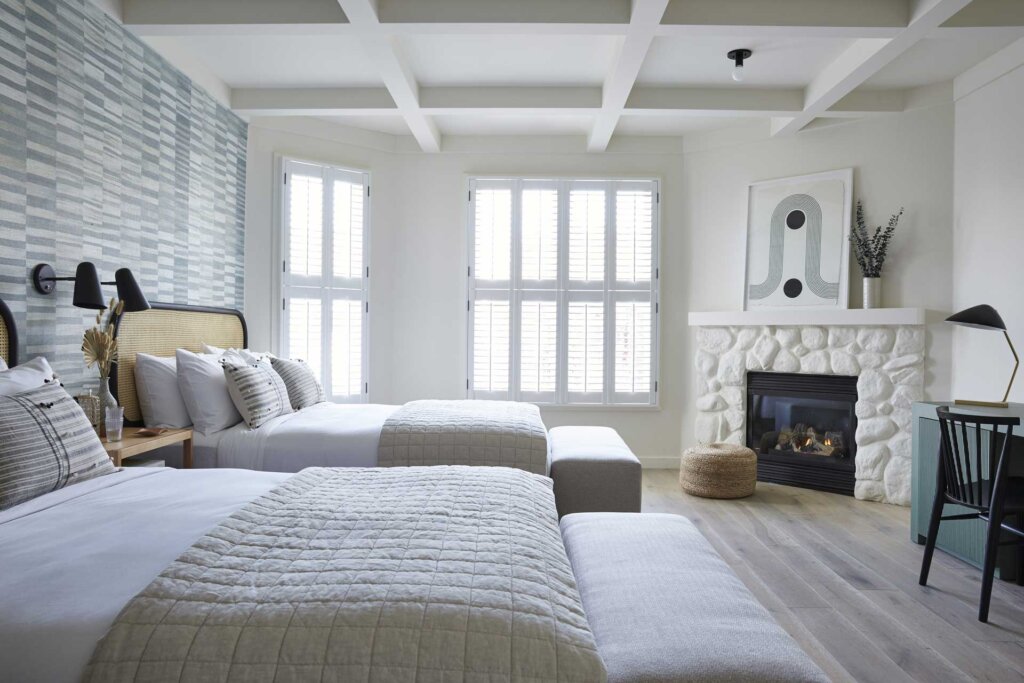
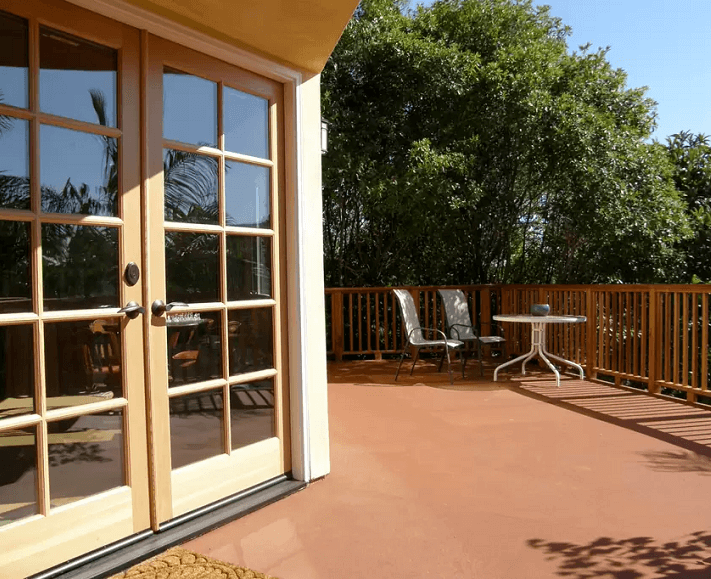
Beyond traditional accommodations, like hotels, San Luis Obispo offers a variety of homestays for travelers looking for a home-like environment during their stay on the Central Coast. Home rentals in San Luis Obispo include options near Cal Poly, steps from Downtown SLO or minutes from miles of hiking trails. Properties range in size, and often offer amenities including wireless internet, kitchen access, parking and much more, making a San Luis Obispo vacation rental easy to find with all the amenities you are searching for.
Pet-Friendly Hotels
San Luis Obispo offers a welcoming environment for travelers with pets, featuring over 20 pet-friendly hotels to accommodate different needs and budgets. From quaint bed & breakfasts to modern lofts and budget-friendly motels, there’s a place for every pet owner.
Boutique Hotels
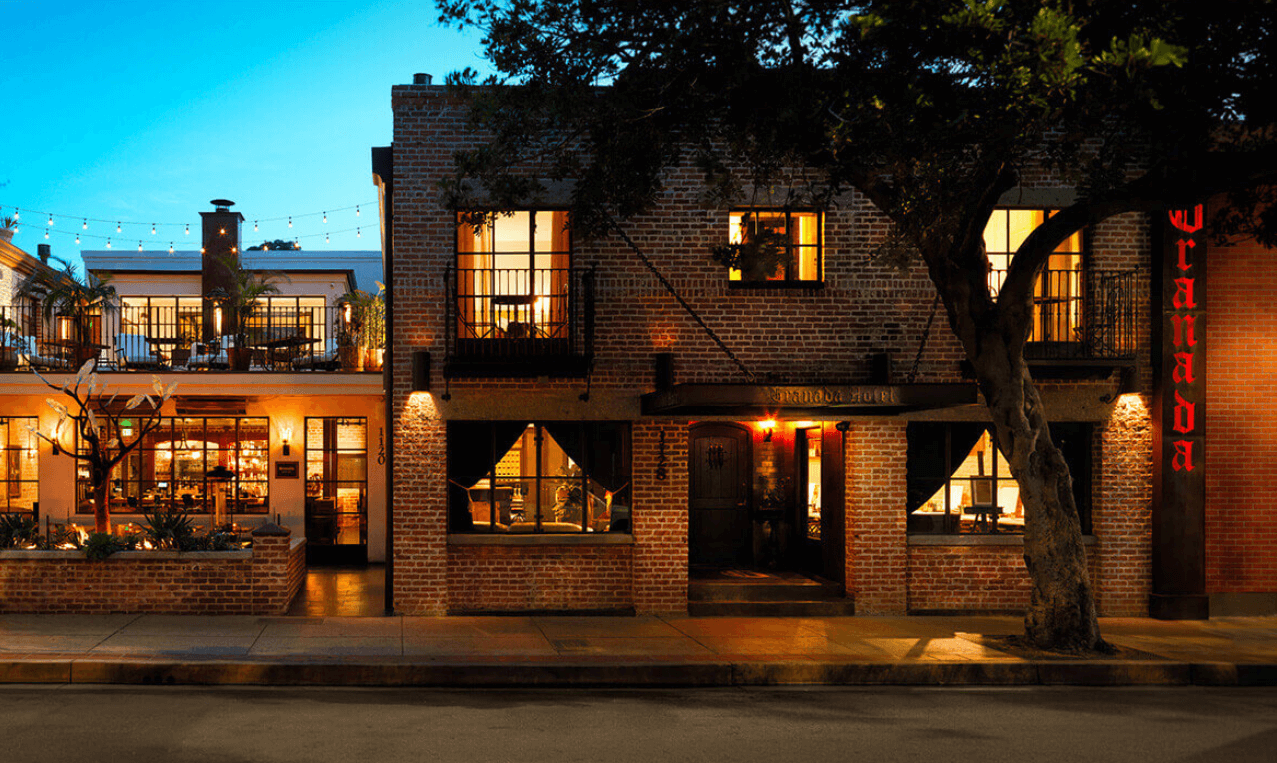
Curating a mix of small-town charm with big-city vibes, SLO’s boutique hotels blend unique flair with luxury, creating unforgettable lodging experiences. Whether you’re looking for a charming and sophisticated getaway or a one-of-a-kind lodging experience to add to your SLO experience, our list of Boutique Hotels won’t leave you disappointed.

Bed & Breakfasts
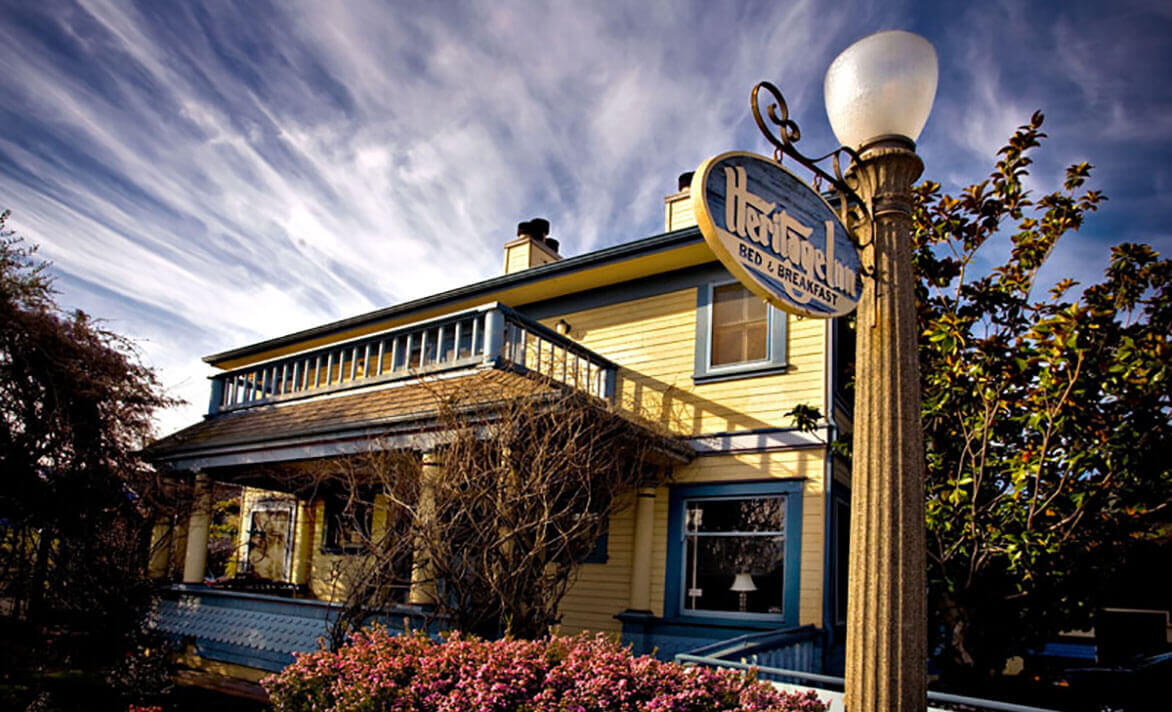
SLO’s bed and breakfasts provide an immersive and cozy experience that captures the essence of the Central Coast’s laid-back lifestyle. From historic buildings with fascinating backstories to modern farmhouses that blend bohemian flair with local winemaking influences, each B&B has its unique character. Slow down and soak in the scenery, relax in a welcoming atmosphere, and connect with interesting people at a cozy SLO bed and breakfast.
Budget-Friendly Stays
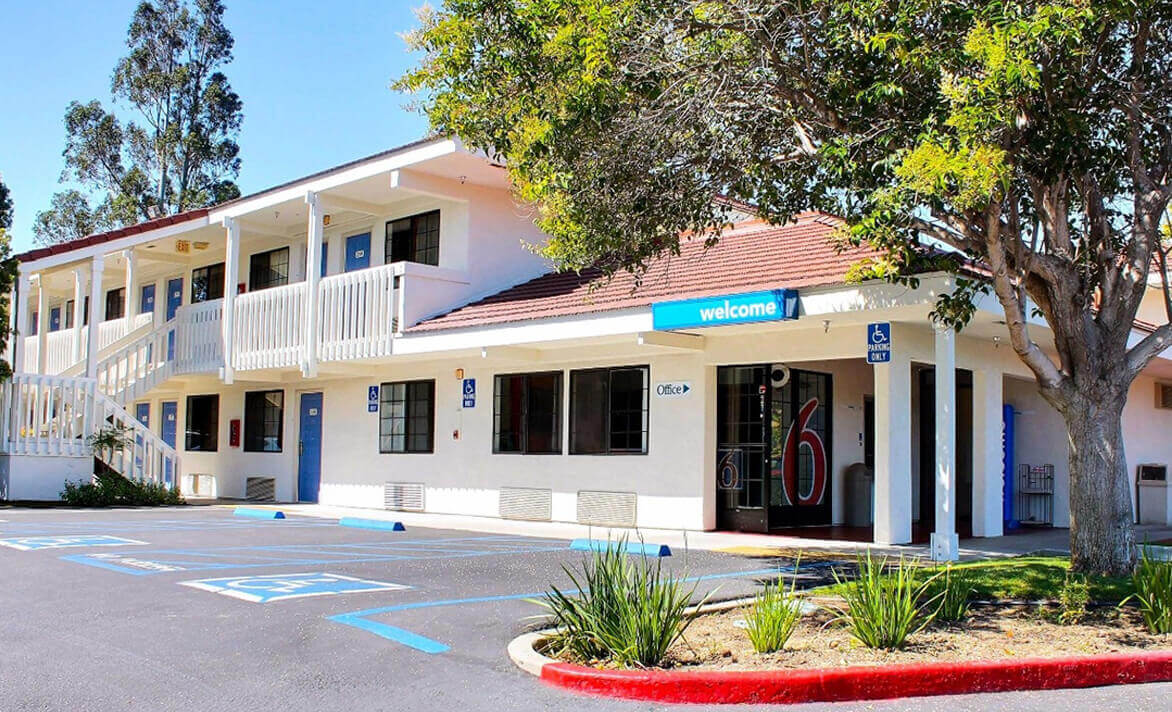
If you’re looking to experience San Luis Obispo on a budget, our curated list of cost-friendly stays will help you find clean, cozy, and comfortable places to stay that won’t break the bank.
Downtown SLO Stays
Looking to stay in the heart of the action? These downtown hotels are ideally located within walking distance of downtown SLO’s plethora of dining, shopping, and entertainment options, providing easy access to the city’s best attractions.
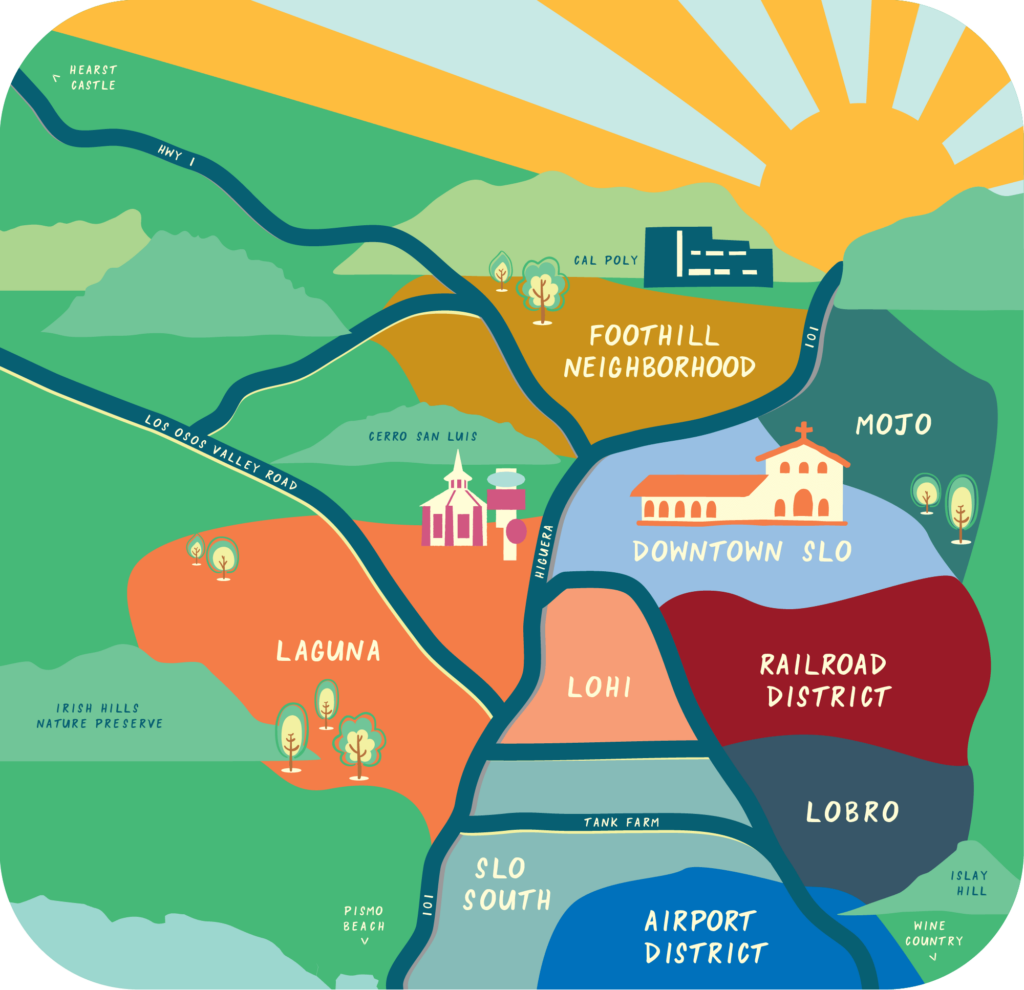
Need to Decide on a SLO Neighborhood?
The SLO Life comes in all shapes and sizes, depending on where you wander. Each neighborhood, from the Railroad District to MoJo, offers a different taste of San Luis Obispo history, culture, art and entertainment. (And plenty of delicious Central Coast cuisine, too.)
Places to Stay in SLO
How affordable is San Luis Obispo?
San Luis Obispo offers a wide variety of places to stay and things to do that suit every budget. From cost-friendly motels to upscale boutique hotels, there is something here for everyone.
What are some unique places to stay in San Luis Obispo?
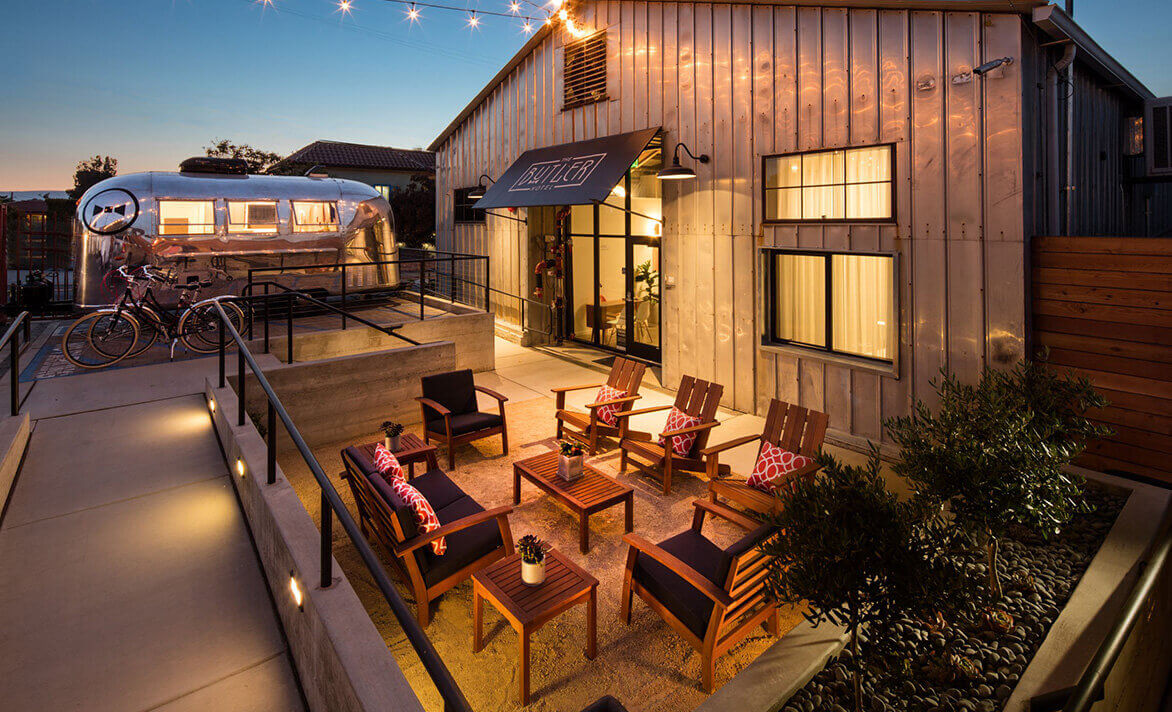
There are many unique and interesting places to stay in SLO. The Butler Hotel in SLO is a fully renovated industrial space that used to be a 1950’s repair garage. Featuring an industrial, yet modern design, this hotel is sure to leave a lasting impression. If you’re looking for a different vibe, The San Luis Creek Lodge features a sophisticated aesthetic that blends modern farmhouse inspiration and a Central Coast bohemian flair.
What is San Luis Obispo best known for?
San Luis Obispo is best known for its small-town charm and big-city vibes. With a robust wine-making region, vibrant historic past, and plentiful outdoor recreation and natural beauty, SLO offers something for everyone.